Funny Halloween, Ghost Halloween Svg Graphics and Crafts
In the world of digital publishing, the difference between a scroll-past and a click-through often comes down to visual trust. As a blog designer who has spent years optimizing editorial layouts for high-traffic content sites, I have learned that design assets are not merely decorative; they are functional tools that guide reader behavior. When evaluating a Funny Halloween, Ghost Halloween Svg, I look beyond the novelty of the image and assess its utility within a broader content marketing strategy. This review focuses on how this specific graphic design asset integrates into real-world publishing workflows, from affiliate marketing pages to downloadable lead magnets.
The Editorial Mood and First Impressions
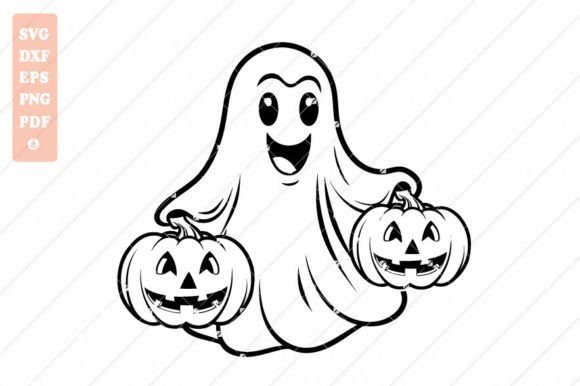
The first impression of the Funny Halloween, Ghost Halloween Svg is one of approachable whimsy. In an era where readers are bombarded with polished, corporate-style imagery, there is a distinct advantage to using playful, slightly irreverent visuals. This design creates an immediate sense of lightness and fun, which is particularly effective for lifestyle blogs, parenting websites, or seasonal content hubs. It signals to the reader that the content is accessible and entertaining rather than strictly academic or formal.
From an editorial design perspective, the character’s expression—likely a classic "boo" sheet aesthetic—serves as a strong visual anchor. It feels modern yet nostalgic, tapping into the universal cultural shorthand for Halloween. For a digital publisher, this means the asset can instantly communicate the topic without requiring heavy text overlays. It supports a niche that values personality and creativity, making it ideal for small business branding in the craft, DIY, or festive lifestyle sectors. The clean lines typical of SVG formats ensure that this mood remains crisp whether viewed on a large desktop monitor or a compact mobile screen.
Integrating Into Real Publishing Workflows
One of the primary challenges for content creators is maintaining visual consistency across multiple platforms. A versatile graphic design asset like this allows for seamless integration into various touchpoints. Here is how I recommend deploying this asset in a real publishing environment:
- Pinterest Pins and Social Media Graphics: The bold, simple nature of the ghost design makes it highly legible at smaller sizes. Use it as a background element or a central icon on Pinterest pins to drive traffic to your Halloween-themed articles. Its playful vibe encourages saves and shares, which is crucial for organic reach.
- Blog Featured Images and Headers: Incorporate the Halloween shirt svg style elements into your featured images to create a cohesive category theme. Whether you are writing about party ideas, costume guides, or spooky recipes, this asset provides a consistent visual identity that helps readers recognize your content instantly.
- Lead Magnets and Digital Guides: If you are creating a downloadable PDF guide, such as "The Ultimate Halloween Party Checklist," use this SVG to decorate the cover or section dividers. It transforms a standard document into a branded resource, increasing the perceived value of your lead magnet.
- Email Newsletter Design: Break up text-heavy emails with this cheerful graphic. Placing the Boo svg near call-to-action buttons can increase click-through rates by adding a visual cue that aligns with the festive tone of your message.
- Affiliate Marketing Content: For bloggers promoting seasonal products, this asset adds a layer of engagement to product roundups. It softens the commercial intent of the post, making the recommendations feel more like helpful suggestions from a friend rather than hard sales pitches.
Enhancing Content Performance and Visual Hierarchy
Effective web design relies on clear visual hierarchy. A well-chosen design asset can direct the reader’s eye to the most important elements of your page. The Funny Halloween, Ghost Halloween Svg offers high contrast and a distinct silhouette, which naturally draws attention. When used strategically, it can:
- Strengthen Brand Identity: Consistently using this style of graphics across your site reinforces your brand’s personality. Readers begin to associate that playful, clean aesthetic with your voice.
- Improve Readability Through Contrast: Because the design is typically monochromatic or limited in color palette, it sits well against both light and dark backgrounds, provided proper contrast checks are performed. This ensures accessibility standards are met while maintaining visual appeal.
- Boost Engagement Metrics: Visually appealing content keeps users on the page longer. A clutter-free, well-designed graphic reduces cognitive load, allowing readers to focus on the copy while still enjoying the visual experience.
Strategic Placement and Compatibility
While this asset is versatile, it is not suitable for every context. Understanding where to place it—and where to avoid it—is key to professional presentation.
Best Use Cases:
- Hero images for seasonal landing pages.
- Category thumbnails for craft or holiday sections.
- Decorative accents in Canva templates for social media posts.
- Covers for digital printables and worksheets.
Areas for Caution:
- Small Mobile Thumbnails: While scalable, extremely small sizes may lose detail. Always test the SVG at thumbnail dimensions to ensure the ghost shape remains recognizable.
- Busy Layouts: Avoid placing this graphic over complex patterns or busy photography. Let it breathe with ample white space to maintain its impact.
- Serious Professional Niches: If you are writing for a corporate audience or a serious news outlet, this playful asset may undermine your authority. Reserve it for lifestyle, creative, or entertainment-focused content.
Practical Publisher Notes for Implementation
To get the most out of this digital download, consider these technical and strategic tips:
File Format Versatility: The inclusion of SVG, PNG, DXF, PDF, and EPS formats is a significant advantage. The SVG format is essential for web design because it scales infinitely without pixelation, ensuring sharp rendering on all devices. The PNG files are useful for quick uploads to platforms that do not support vector graphics, while the DXF and EPS files open up possibilities for physical product creation, such as printing designs on t-shirts or mugs via print-on-demand services.
Typography Pairing: Experiment with font pairings to see what resonates with your brand. The playful nature of the ghost works well with handwritten or script fonts for a personal touch, but also pairs surprisingly well with bold sans-serif fonts for a modern, minimalist look. Test these combinations in your actual blog layout before finalizing your design system.
Performance Optimization: Even though SVGs are lightweight, always optimize your images for web performance. Compress any raster versions (PNG/JPG) you use to ensure fast loading times, which is critical for SEO and user retention.
Licensing Verification: Before using this asset on monetized websites, affiliate pages, or paid content products, confirm the commercial license terms. Ensure you have the right to use the commercial design in your digital products and marketing materials. Proper licensing protects your business and ensures ethical use of creative work.
In conclusion, the Funny Halloween, Ghost Halloween Svg is more than just a cute clipart; it is a strategic tool for enhancing editorial quality and reader engagement. By integrating it thoughtfully into your content marketing efforts, you can create a more polished, trustworthy, and visually compelling online presence that stands out during the busy Halloween season.