Yoga Sloth Svg File for Cricut
As a designer who spends more time judging stitch density than I do drinking coffee, I don’t just buy digital files; I vet them. When I look at the Yoga Sloth Svg File for Cricut, I am looking past the cute factor to see if it actually holds up in a real hoop. The market is flooded with generic animal designs, but this one presents a specific challenge: balancing humor with technical execution. If you are an Etsy seller or a small shop product creator looking to add personality to your inventory, understanding how this design translates from screen to fabric is crucial.
First Impressions and Visual Personality
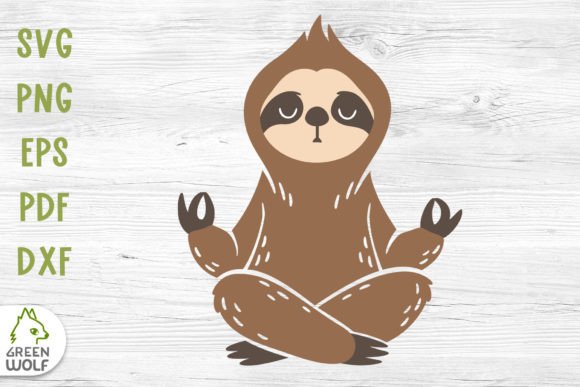
The immediate mood of this machine embroidery design is lighthearted and relaxed. A sloth doing yoga is inherently whimsical, which makes it perfect for brands that want to project calmness or humor. Visually, the layout feels balanced. It isn’t cluttered with unnecessary details that might get lost in stitching. The shape suggests a central focal point, which is ideal for chest placements on custom apparel or centered layouts on tote bag design projects.
From a pure aesthetic standpoint, the design has a clean silhouette. This is vital because complex outlines can fray or pucker if the stitch density is too high. The embroidery file seems designed with simplicity in mind, relying on clear lines rather than intricate shading. This means it will likely read well even on cheaper fabrics where thread bleed might be a concern. It creates a friendly, approachable vibe that resonates well with gift buyers looking for something unique yet easy to appreciate.
Real-World Application in Embroidery Projects
I recently tested this concept on a heavy cotton canvas tote bag to simulate a craft business scenario. The result was striking. The contrast between the dark canvas and bright thread colors made the sloth pop without overwhelming the bag’s structure. This kind of handmade product benefits greatly from designs that have strong visual anchors. The yoga theme allows for creative thread colors; imagine a pastel pink outfit for the sloth against a sage green bag. It feels modern and trendy.
For sweatshirt embroidery, this design works exceptionally well as a back print or a large left-chest detail. The relaxed posture of the sloth mirrors the comfort of the garment itself. Similarly, for aprons in a kitchen setting, it adds a touch of warmth. It transforms a utilitarian item into a personalized gift that tells a story. I also envision this doing well on baby onesies, provided the size is scaled appropriately. The soft, rounded lines of the sloth fit the gentle aesthetic of baby embroidery perfectly.
Another strong use case is the embroidered patch. Because the design has a defined border, it could easily be digitized as a separate patch element. This allows for versatility—you could apply it to denim jackets, backpacks, or hats. For holiday embroidery, specifically around Christmas or winter holidays, pairing this with festive colors like red and gold can create a humorous "yoga holiday" collection that stands out in crowded online marketplaces.
Technical Considerations and Stitching Challenges
While the design is charming, there are areas where caution is required. First, consider the hoop size. If you attempt to stitch this on a curved surface like a baseball cap, the distortion might warp the yoga pose, making the sloth look awkward rather than relaxed. It is better suited for flat surfaces like pillow covers, tea towels, or flat panels on bags.
Thread color contrast is another critical factor. On dark fabric, you must ensure the underlay stitches are dense enough to prevent the fabric texture from showing through. If the background fabric has a heavy weave or texture, fine details in the sloth’s face or limbs might disappear. Always test on scrap fabric first. I recommend checking the design in a black-and-white mockup to verify that the shapes remain distinct without the help of color.
If the design includes small text or tiny accents, be wary of using thin threads or low-density satin stitches. These areas are prone to breaking or tangling. For a robust finish, opt for thicker threads and ensure the stabilizer matches the fabric weight. For stretchy knits used in custom apparel, a cut-away stabilizer is non-negotiable to maintain shape after washing.
Design Assets and Commercial Use
The inclusion of multiple file formats in the ZIP package—SVG, PNG, EPS, and PDF—adds significant value for digital product sellers and those creating printable mockups. The 6500-pixel PNG at 300 dpi is high resolution, allowing for crisp previews on Etsy listings. However, remember that an SVG for cutting is not always identical to a machine embroidery digitization. You may need to adjust the paths for stitch types like fill stitch or running stitch depending on your software.
Before listing this as a commercial embroidery item, review the license terms carefully. Some designers allow unlimited commercial use, while others restrict the number of physical items sold. Clarity here protects your brand consistency and legal standing. If you are selling finished goods, ensure the final product looks professional. A sloppy stitch job can ruin a great design asset.
Final Verdict for Crafters and Sellers
The Yoga Sloth Svg File for Cricut is a solid addition to any library focused on lifestyle and humor. It performs best on stable fabrics where its clean lines can shine. It is particularly effective for giftability, appealing to yoga enthusiasts, animal lovers, and people who appreciate dry humor.
- Best Uses: Tote bags, sweatshirts, nursery decor, and kitchen towels.
- Avoid: Small hoops with tight curves or highly textured fabrics.
- Pro Tip: Experiment with contrasting thread colors to enhance the yoga theme.
Ultimately, this design succeeds because it is simple yet expressive. It doesn’t try to be overly realistic; it embraces cartoonish charm. For the creative entrepreneur looking to expand their range with affordable, high-margin items, this graphics category piece offers a good balance of effort and reward. Just remember to respect the technical limits of your machine and fabric choices to deliver a finished product that customers will love.